
Personal Finance Project Fullstack App? Discover how a well-designed software may streamline budgeting, cost tracking, and financial objectives.
Ever sought wiser financial management?
A Fullstack App for Personal Finance Project centralizes cost monitoring, budgeting, and goal setting. It simplifies money administration like never before with strong backend processing and an easy UI. Create your perfect solution with a Fullstack App for Personal Finance Project now!
At The End
Personal Finance App Using FlutterFlow
FlutterFlow personal finance app development was fun and fulfilling. FlutterFlow streamlines app development, creating a beautiful and useful financial management application. I learned how simple it is to build a sophisticated personal financial software without coding from this experience.
Why I Chose FlutterFlow
- FlutterFlow lets you develop apps without coding. The drag-and-drop interface streamlines everything.
- FlutterFlow’s tools make it simple to design an intuitive and user-friendly interface, delivering a pleasant user experience.
- Database Integration — Firebase and other databases integrate easily for real-time financial monitoring and changes.
- Widgets make adding budgeting, cost monitoring, and financial goal setting easy.
- Fast Deployment — Launching the software rapidly lets ideas become reality without protracted development durations.
Features I Implemented
- Tracking daily costs is easy and provides thorough information.
- Budget Management – Setting and changing category budgets is easy.
- Savings Goals – Set and track savings goals.
- User data is protected by secure authentication methods like Google sign-in.
- Cloud storage allows data to be accessed from any device, giving ease and flexibility.
What I Learned
- Building a Personal Finance App using FlutterFlow saves time and produces high-quality outcomes.
- A well-designed software promotes financial management.
- Scalability—The software can gain functionality over time, making it a good long-term project.
FlutterFlow has been a great personal finance app, and I recommend it. FlutterFlow makes financial app development fun and feasible for personal and corporate usage.
Is Personal Finance Worth 1 Credit
My adventure into personal finance has been amazing, and I’m happy to share it. Personal Finance Worth 1 Credit? Absolutely. This training gave me financial knowledge and real-world skills that improved my life.
Why Personal Finance is Incredibly Valuable
- Financial Praxis
Course subjects included budgeting, saving, investing, and credit management. These lessons gave me confidence to make sensible financial choices.
- Actual Uses
Every notion had real-world applications. Learning about interest rates, debt, and financial planning helped everything make sense.
- Smarter Money Management
This lesson improved my budgeting abilities, which was great. Tracking income and spending improved my financial habits.
- Investment Wisdom
After studying equities, bonds, and retirement accounts, I understood how to build money.
- Financial Decision Confidence
I’m ready to make smart financial decisions for significant purchases and long-term objectives. The education taught me to examine and chose the best alternative.
- Credit and Debt Awareness
One of the most eye-opening sections of the training was learning about credit ratings and credit maintenance. Learning debt management has been invaluable.
- Future Planning
I learned to confidently plan ahead in this training. With retirement planning and emergency money, I can secure my financial future.
Final Thoughts
Personal Finance Worth 1 Credit? No question! I think everyone should take this course since it benefited me so much. It’s a smart financial investment and precursor to a prosperous future.
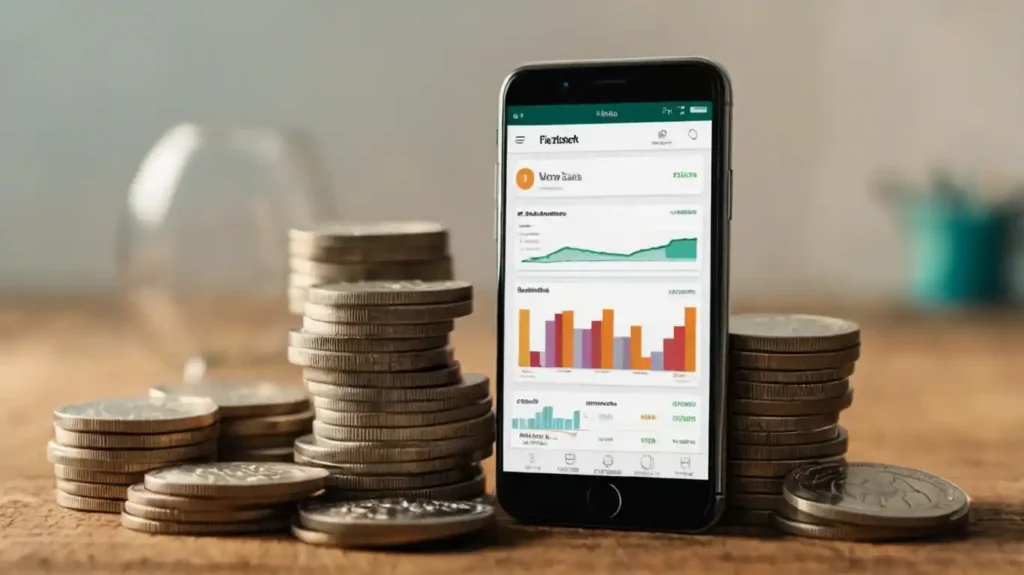
Fullstack App for Personal Finance Project
Creating a Fullstack App for Personal Finance is an interesting way to mix technology and financial knowledge to help people make smart financial choices. My personal financial app development experience has been great, and I would want to share insights to help others realize their ideas.
Essential Features of a Personal Finance App
- For successful financial management, personal finance management software should include many key characteristics. Some major aspects are:
- For improved spending management, users may track and classify everyday expenses.
- Budgeting tools help users restrict spending and monitor financial objectives.
- Save Goals: Users may set and track savings goals.
- Investment Tracking: Tracks stocks, bonds, and other financial goods.
- Monitoring credit scores helps people understand and improve their credit.
- Bank Account Integration: Connects several bank accounts for a consolidated financial picture.
- Financial Reports: Visualizes income, spending, and financial habits.
- User authentication and security: Two-factor authentication protects financial data.
- Custom Reports and Analysis: Generates reports depending on expenditure and financial objectives.
Backend Development Considerations
Personal finance apps need powerful backends to manage complicated financial data. Backend components include:
- Database schema: An organized database is essential for handling users, transactions, financial objectives, and authentication data.
- Database Migrations: Preserves financial records during system upgrades.
- The Backend Framework Performance and scalability depend on the backend framework (Node.js, Django, Flask).
- Protective measures: Protecting sensitive financial data from fraud requires strong security.
Frontend Development and User Experience
A personal finance software should make money management easy with a simple UI. Matters to consider:
- Simple and Clean UI: Budgeting, investment tracking, and financial reporting should be easy to navigate.
- Personalization: User-specific dashboards and features boost engagement.
- Mobile and Web Compatibility: Responsive design guarantees device accessibility.
Steps in the Development Process
Structured development is used to create fullstack financial apps. Essential steps are below:
1. Discovery Phase
- Do market research to understand consumer demands.
- Choose essential app features and financial tools.
2. Planning and Design
- Establish app framework and wireframes.
- Usability and utility should guide your design.
3. Backend Development
- Configure backend logic and database structure.
- Authenticate users and handle financial data.
- Banking APIs provide real-time transaction changes.
4. Frontend Development
- UI should be sleek and responsive.
- Navigate financial tools smoothly.
- Track spending patterns and budget with unique features.
5. Testing and Deployment
- Test thoroughly to fix errors and boost performance.
- Deploy the app on a secure platform for maximum security.
Advanced Features for a Competitive Edge
To stand out, personal finance apps might provide premium services like AI for automatic budgeting and financial guidance.
- Custom hooks that notify spending trends in real time.
- Performance improvements for Full-Stack Development.
- No-Code platforms like FlutterFlow for fast development.
- Business logic and automation for smart financial choices.
Personal Finance App Development Cost and Considerations
A personal finance app’s development cost relies on many factors:
- Complexity of Features: More features increase development expenses.
- Security: Two-factor authentication and strong security demand resources.
- Development Team: Experienced developers guarantee seamless execution but increase costs.
- Licensing and compliance are needed to integrate with banks and investing firms.
The Future of Personal Finance Apps
AI-driven financial planning, blockchain security, and voice-enabled payments will be added to personal finance apps as the fintech sector evolves. Businesses and people creating banking apps should prioritize security, usability, and data.
My experience developing a Fullstack Personal Finance App has been rewarding, and I hope these tips help others establish a successful financial literacy and management application. Creating a strong and intuitive financial app is possible with the appropriate strategy and resources.
FAQ
How do personal finance apps make money?
I learnt from using and investigating personal financial applications that businesses generate money in many ways. Many applications are freemium, with additional functionality requiring a subscription. Advertising agreements that promote financial products to users produce money for certain applications.
Other ways these applications generate money include affiliate marketing. The app gets a commission when users join up for credit cards, loans, or investments via its suggestions. Some personal finance applications charge for financial coaching, sophisticated budgeting, and investment monitoring. Some applications impose transaction fees for bill payments and stock trading.
In my experience, these monetization tactics don’t affect usability. Instead, they provide more functionality for financial insights while keeping important tools accessible.
How does personal financial software help to manage finances?
My money management has changed thanks to personal financial software. These apps automate budgeting, manage costs, and centralize financial objectives. Financial software helped me track my expenditures and make better financial decisions.
Real-time financial monitoring is a major benefit. I could quickly check my balances, transactions, and cash flow by integrating my bank accounts. This helped maintain a budget and reduce waste.
Also useful are bill reminders and financial planning tools. The app reminded me of due dates, preventing late payments. It helped me create savings goals and measure my progress, making financial planning simpler and more successful.
My financial choices are more organized, educated, and stress-free thanks to personal financial software.
At The End
Take charge of your finances by creating a Fullstack App for Personal Finance Project. An app that streamlines money management might include critical functionality and user-friendly design. Make personal finance simpler than ever by creating now.